Research
Job Market Paper
Awkward Silence: Is Manager Hesitation Informative?
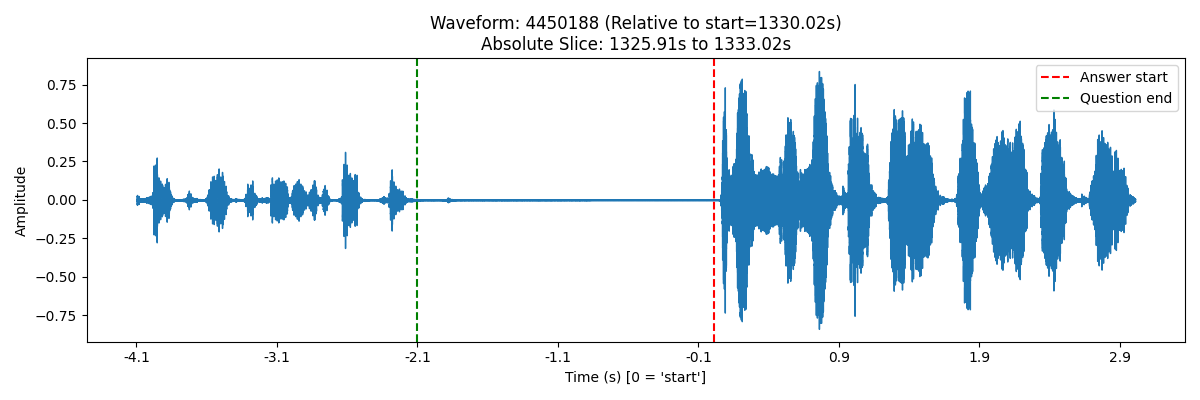 Abstract:I investigate whether managers’ hesitations provide insights into the future behavior of investors and analysts. Hesitation is defined as the response time (RT) between analyst questions and managerial answers, measured using AI-based speaker diarization and transcript alignment over 7,000 S&P 500 earnings calls (2019–2023). I find that longer RT is associated with lower contemporaneous and 1-quarter-ahead cumulative abnormal returns. A split sample analysis provides empirical evidence for the information uncertainty explanation of Post-Earnings Announcement Drift (PEAD). Analysts revise earnings forecasts downward and show increased uncertainty through higher dispersion. RT does not predict earning surprises, consistent with analysts promptly incorporating the hesitation signal. This paper shows that managerial response time is an additional non-verbal information channel.
Working Papers
Growth of Income Funds and Death of Volatility: A Study in Inelastic Option Supply and Market Impact with Taeyoung Park
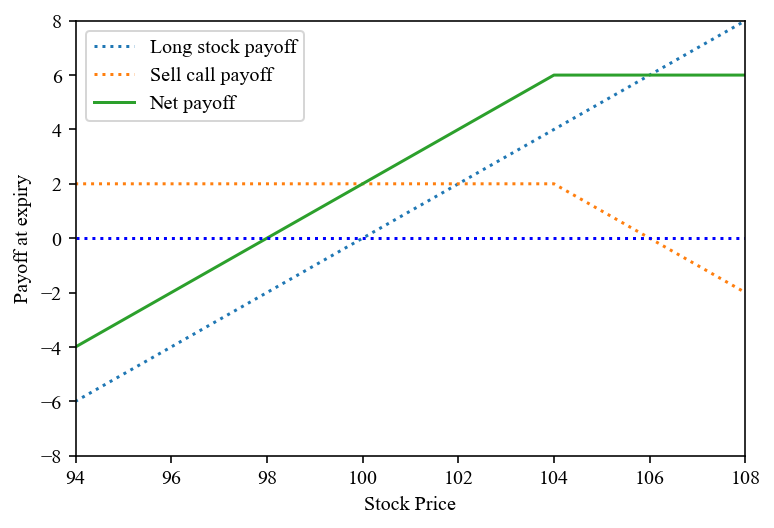 Abstract: In the past decade, income funds employing the call overwriting strategy have emerged as a rapidly growing segment within the mutual fund industry. Using N-PORT disclosure, we explore their overwriting impact on the volatility of underlying assets. We find that their call option overwriting predicts future implied and realized volatility. Specifically, the result stems from income funds’ inelastic overwriting demand from repetitively overwriting calls regardless of information and volatility timing ability. This finding makes a substantial contribution to the expanding literature that studies the influence of institutional investors on financial markets in the context of their inelastic demand.
Leniency Laws and Lucrative Trades: The Impact of Antitrust Policy on Insider Profits with Berk Yayvak and Vikram Nanda
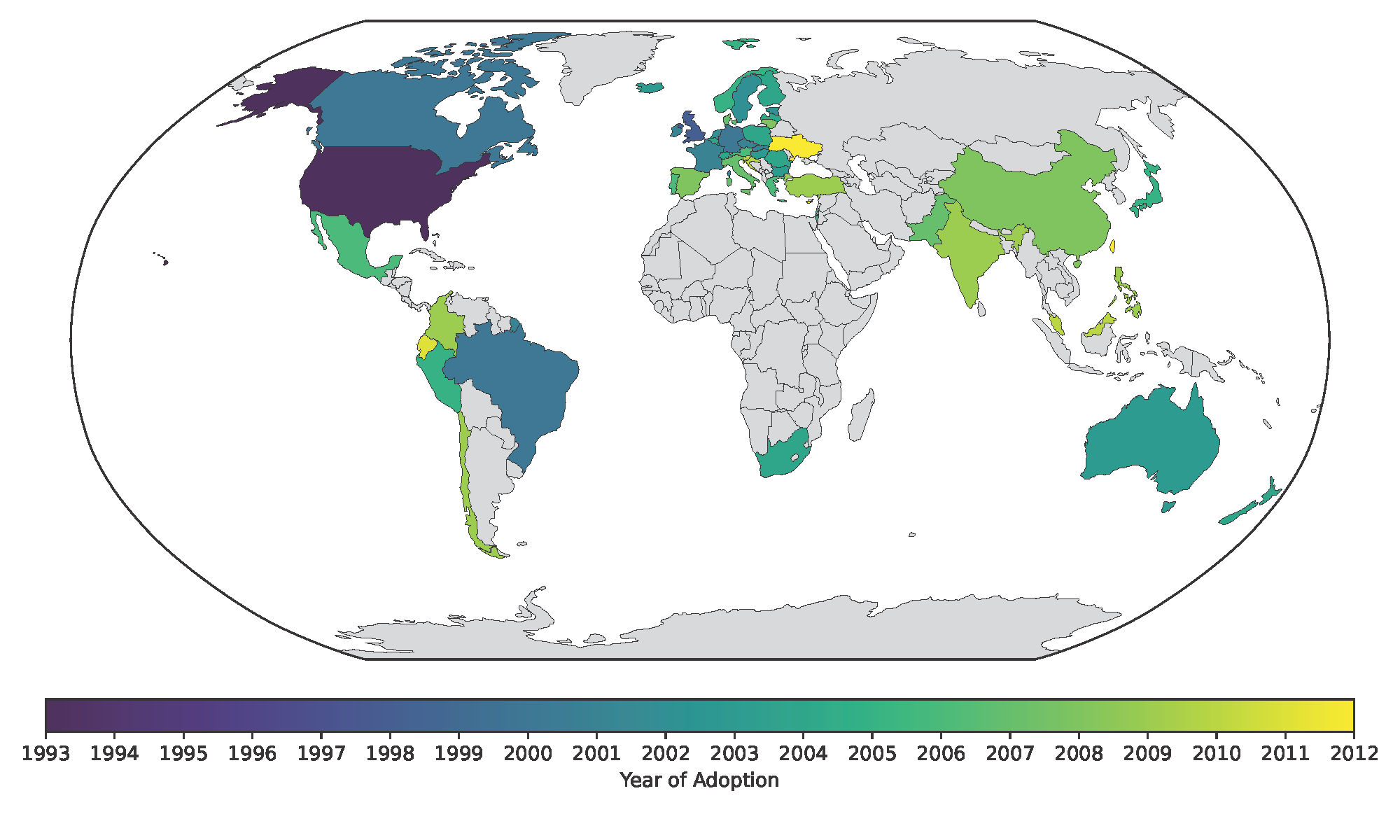 Abstract: We study the impact of antitrust enforcement on insiders' trading profits. The notion is that trading profits and product market collusion are related because collusion enhances insiders' informational advantage. Using staggered crosscountry adoption of leniency laws, we show stronger enforcement curbs trading profits. Likewise, trading profits increase when enforcement decreases due to nearby DOJ office closures. Sensitivity of trading profits to antitrust enforcement varies with a firm's likely role in collusive arrangements, its monitoring effectiveness, degree of information asymmetry between insiders and outsiders, and the industry's propensity for collusion. We also document that stronger antitrust enforcement lowers the informativeness of insider trades.
Publications
Estimating the hedging value of an energy exchange in Turkey to a retail power consumer with Anastasia Shcherbakova
Energy, 2016, Vol. 101, pp. 16–26.
Work in Progress
- Can textual and vocal cues help predict the likelihood of collusive behavior?